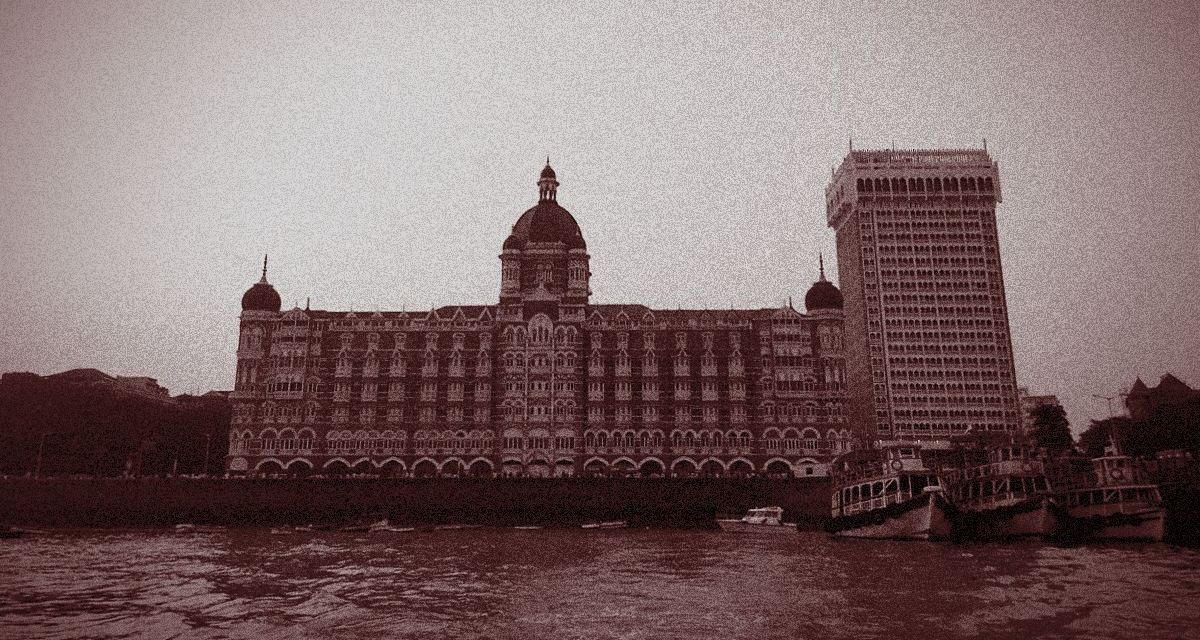
On November 26, 2008, ten Pakistan-based members of the Lashkar-e-Taiba terrorist group infiltrated Mumbai and launched nearly simultaneous attacks on five sites across the city, paralyzing a metropolis of 17.9 million people for two and a half days. By the end of the siege, the attackers had killed 174 people and wounded hundreds more.
In this episode of the Urban Warfare Project Podcast, John Spencer is joined by retired Colonel Liam Collins to discuss the latest installment of MWI’s Urban Warfare Project Case Study Series, which they coauthored with Jayson Geroux and which explored the Mumbai attacks. Drawing on a firsthand battlefield assessment conducted in Mumbai, including site visits to every attack location, they examine how a small terrorist force exploited the density, complexity, and flows of a megacity to overwhelm local security forces and force a national-level response.
The discussion also describes the attackers’ reconnaissance and maritime infiltration, their use of real-time command and control from remote handlers, and the challenges faced by police, military, and emergency services during a multisite urban attack. It concludes with a broad assessment of the strategic, operational, and tactical lessons of Mumbai, including the enduring risks posed by proxy forces, the importance of deep urban terrain understanding, and why megacities remain uniquely vulnerable battlefields in modern conflict.
You can listen to the episode below or find it on Apple Podcasts, Stitcher, Spotify, TuneIn, or your favorite podcast app. Be sure to subscribe, and if you’re enjoying the Urban Warfare Project Podcast, please take a minute and leave the podcast a review or give it a rating!
Image credit: Darshula