In 1973, the US military took an enormously consequential step by adopting an all-volunteer force model. That decision has produced the most professional, capable joint force in history. But there have also been real costs associated with it—from the large budgets required to maintain it to a shrinking recruitment base that has serious implications for civil-military relations. So what does the all-volunteer force’s future look like?
That’s the question at the center of this episode. To discuss it, John Amble is joined by Jaron Wharton and Keith Carter. Jaron is a career Army officer who most recently served as a brigade commander in the 82nd Airborne Division. Keith is a retired Army infantry officer who now teaches at the Naval War College. Their academic research has equipped them to deeply examine the all-volunteer force model and its foundations. It also led them to collaborate as coeditors of a new book, Bend But Do Not Break: Shaping the Future of the All-Volunteer Force. (Of note, the team behind the book chose to donate all proceeds earned from its sales to the nonprofit wear blue: run to remember.)
How much have the strategic, economic, and social conditions that drove the decision to adopt the all-volunteer force model changed over the past fifty years? Would the model hold up in a modern, large-scale war? And if strategic realities required it, how would a return to some form of conscription work? This discussion examines these questions and more.
The MWI Podcast is produced through an endowment generously funded by the West Point Class of 1974. You can listen to this episode of the podcast below, and if you aren’t already subscribed, be sure to find it on Apple Podcasts, Stitcher, or your favorite podcast app so you don’t miss an episode. While you’re there, please take just a moment to leave the podcast a rating or give it a review!
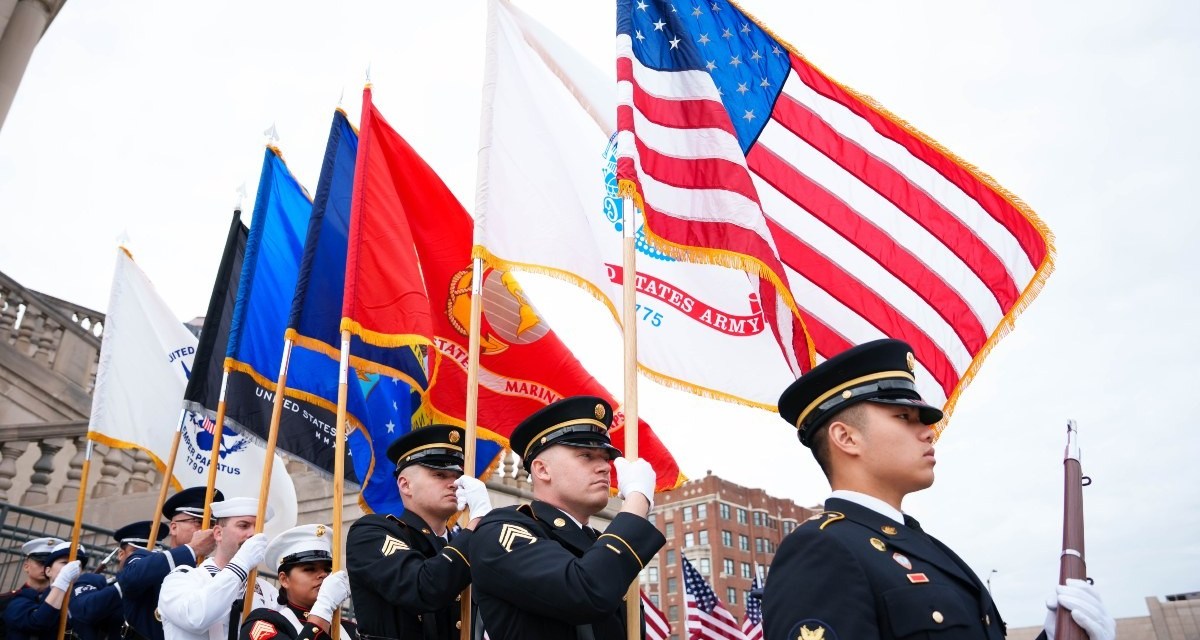
Image credit: Staff Sgt. Hector Tinoco, Indiana National Guard