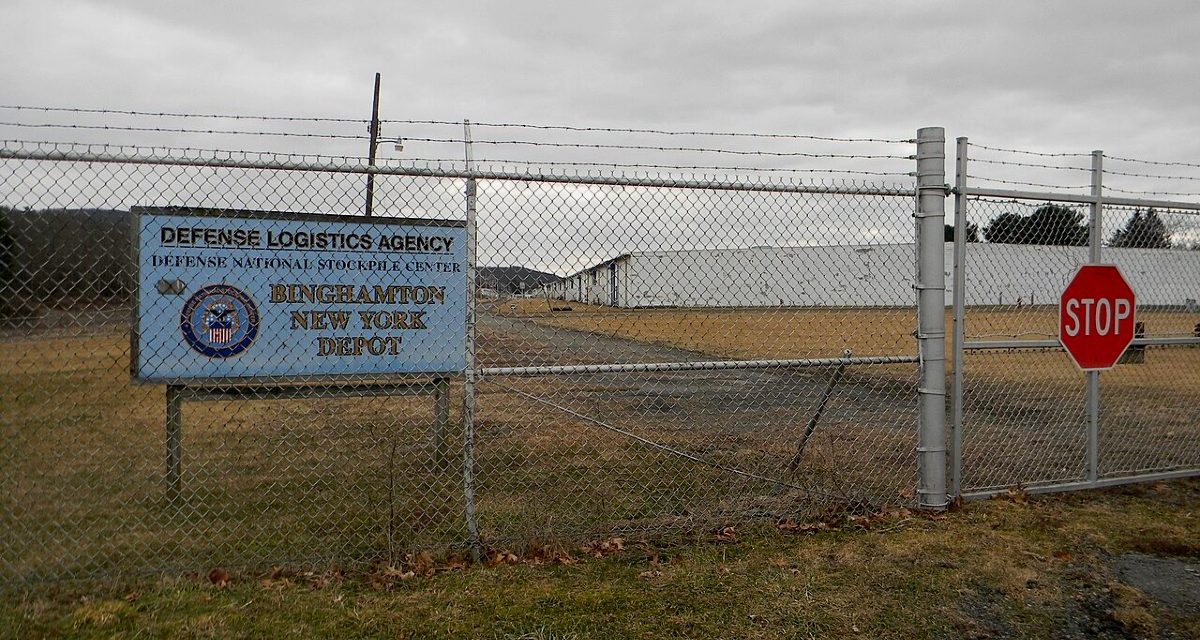
The US government established the National Defense Stockpile in 1939 to ensure that in the event of a major conflict, there would be enough raw materials on hand to continue production of vital equipment. Since the end of the Cold War, it has steadily shrunk, now just a tiny fraction of its peak size. Moreover, while its original purpose was stockpiling materials like steel and rubber, US military systems are now dependent on a wider range of both raw materials and finished products—like rare earth minerals and the magnets that require them. And the supply chains for these items are, in some cases, controlled heavily by potential adversaries like China, introducing a substantial vulnerability to US military readiness.
What should policymakers do to reduce this vulnerability? How can the National Defense Stockpile and other policy tools like the Defense Production Act be used to enhance assured access to vital materials? To explore these questions, John Amble is joined on this episode of the MWI Podcast by Dr. Morgan Bazilian. The director of the Payne Institute for Public Policy at the Colorado School of Mines, his work sits at the intersection of national defense and natural resources, making him uniquely well suited to discuss the challenge the US military faces—and how to meet it.
The MWI Podcast is produced through an endowment generously funded by the West Point Class of 1974. You can listen to this episode of the podcast below, and if you aren’t already subscribed, be sure to find it on Apple Podcasts, Stitcher, or your favorite podcast app so you don’t miss an episode. While you’re there, please take just a moment to leave the podcast a rating or give it a review!
Image credit: Tkeator