Operation Epic Fury has objectively been a remarkable display of deep strike, naval control, and the rapid suppression of Iranian capabilities with airstrikes and sea-launched weapons. It is no surprise that the public narrative defines it as an air and maritime campaign. That view is incomplete.
The campaign demonstrates something more important about modern war: Even in a fight centered on airpower and naval dominance, the joint force cannot succeed without landpower. For two decades after 9/11, air and naval forces played a supporting but indispensable role in land-centric wars. In Operation Epic Fury, the roles have shifted, but the reality has not. From the operation’s beginning, Army capabilities were not additive or symbolic. They were essential to protecting the force, enabling joint operations, and delivering effects that air and naval power alone could not achieve. Examining how landpower made the joint campaign possible is vital for understanding how ground forces and their unique capabilities will contribute in other theaters where airpower and seapower will be central—like the Indo-Pacific.
Defensive Contributions: Layered Protection and Sensor Integration
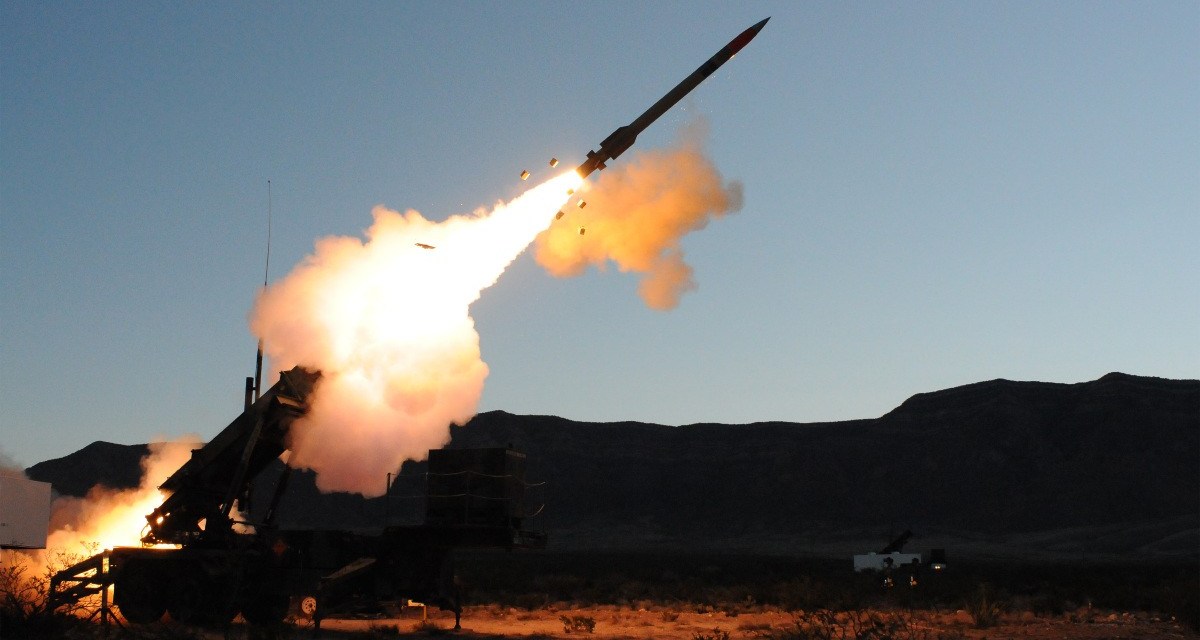
Iran fired repeated waves of ballistic missiles and drones at US forces and regional partners. A layered air and missile defense architecture built around the Army’s Patriot PAC-3 and THAAD (Terminal High-Altitude Area Defense) batteries formed the backbone of the response. These units operated continuously, intercepting incoming threats and preserving the joint force’s ability to generate combat power. Without that persistent ground-based defense, air operations, basing, and maritime maneuver would have been constrained from the outset.
The defensive fight also included counterdrone operations, where electronic warfare, interceptors, and other systems were used to defeat waves of drones that have become a central feature of Iranian tactics.
Detection proved just as critical. The AN/TPQ-53 multimission radar, designed primarily for counterfire, proved more flexible than its original role suggested in tracking rockets, missiles, and unmanned systems. Integrated into joint sensor networks, these ground-based systems shortened targeting cycles and improved engagement effectiveness. In a fight decided by speed and precision, persistent ground-based sensing did more than complement airborne and space systems. It reduced decision time and increased the effectiveness of fires across domains.
Offensive Fires: Extending Reach Across Domains
Army fires gave the joint force more options than expected. The M142 HIMARS (High-Mobility Artillery Rocket System) saw heavy use, including the first combat launches of the Precision Strike Missile (PrSM). These strikes reached targets at ranges traditionally associated with airpower and contributed to the degradation of Iran’s air defenses—roughly 80 percent, according to Department of Defense leaders—along with hundreds of missile and drone storage sites.
The campaign also produced the longest field artillery strike in US Army combat history. Army Tactical Missile System (ATACMS) rounds were used in new ways, including against targets at sea. Chairman of the Joint Chiefs of Staff General Dan Caine stated that Army artillery contributed to sinking multiple Iranian vessels and at least one submarine. These actions demonstrated that land-based precision fires can impose sea-denial effects once reserved for naval forces, expanding the joint force’s options and reducing reliance on limited maritime platforms. Ground-launched systems brought advantages in magazine depth, the ability to disperse and survive, and quick response even when air or naval assets faced heavy contestation.
Aviation, Unmanned Systems, and Terrain Control
AH-64 Apache helicopters added a valuable capability to Operation Epic Fury. They were used to counter Iranian unmanned aircraft systems, including Shahed drones, and support operations along Iran’s southern coastline. Armed with Hellfire missiles and the Spike NLOS system, Apaches can engage both land and maritime targets. The Spike NLOS, with a range of more than fifteen miles, gave commanders the ability to strike targets beyond line of sight, including vessels at sea, with a level of precision and flexibility not previously available to Army aviation.
Newer Apache variants brought improved sensors, communications systems, and datalinks that allowed crews to identify, track, and engage targets more effectively, particularly in complex environments and over water. These upgrades also improved survivability by enhancing threat detection and avoidance. Throughout the campaign, Apaches operated in close coordination with ground forces and special operations teams. Integrated with joint sensors and networks, they were able to operate in contested airspace more effectively than in previous conflicts, adding another layer of responsive, precision fires to the joint force.
Unmanned systems expanded the Army’s impact further. For another first in combat, the Army deployed the Low-cost Unmanned Combat Attack System, or LUCAS drone, along with other platforms to strike key targets and overwhelm Iranian defenses. By flooding the airspace with threats, these systems forced Iran to expend interceptors, creating openings for other joint assets. LUCAS drones’ low cost, roughly $35,000 per unit, and ability to be used in large numbers allowed the United States and Israel to sustain pressure without quickly depleting stocks of high-end munitions.
The operation also reinforced the value of ground forces and physical presence. Elements of the 82nd Airborne Division were deployed to the region, giving commanders real options to seize and hold terrain, including sites critical to Iranian operations. That capability does more than provide options. It imposes a problem on the adversary. Iran had to allocate forces and attention to the possibility of ground action, diluting its ability to respond effectively in other domains. US Army special operations teams contributed, as well, conducting high-risk recovery of downed personnel. Together, these forces gave commanders options that standoff capabilities alone cannot provide, especially when access has to be secured or conditions on the ground shift quickly.
Strategic and Doctrinal Implications
Operation Epic Fury showed that success in modern war demands coordination and capabilities across domains. No single service or capability has carried the fight. Air and naval forces struck thousands of targets overall, yet Army contributions in air and missile defense, long-range fires, sensor networks, ground forces, and rapid-response posture proved essential for force protection, access, and deep effects.
The lessons from Operation Epic Fury extend directly to future theaters, especially the Indo-Pacific with its long distances and antiaccess challenges. Concepts that lean heavily on air- and seapower risk overlooking how ground-based systems shape outcomes. Long-range fires like PrSM and upgraded ATACMS can threaten maritime and air defense targets from dispersed land positions. Integrated air and missile defense can shield forward bases, naval platforms, and supply lines. Sensor networks and rapid command-and-control systems accelerate decision-making and targeting across the joint force. Forward ground units complicate enemy planning by forcing them to spread attention and resources. The ability to seize and hold key terrain can directly threaten an enemy’s center of gravity.
These tools matter in any theater where the United States needs to deter attack, reassure partners, and preserve options, and if that fails, win quickly and decisively in combat. The real issue is not whether landpower will matter in future fights. It is how well those capabilities are developed, maintained, and integrated into joint plans, and how forces are positioned to contribute immediately.
Recommendations for Future Readiness
The implications are immediate. The joint force should prioritize several areas now:
- Rapidly capture the lessons of Operation Epic Fury, focusing on Army capabilities that proved decisive and those that require further development and procurement.
- Speed fielding of longer-range, multidomain munitions that build on PrSM, with strong emphasis on maritime strike and operations from dispersed sites.
- Ensure forward forces are equipped with a full suite of modern, integrated air and missile defense systems capable of countering ballistic missiles, cruise missiles, and unmanned threats.
- Invest in mobile sensors and low-cost unmanned systems to improve persistence and protection in high-threat environments.
- Continue to refine joint doctrine and training so Army units plug seamlessly into joint fires and command networks, including clear cross-domain authorities.
- Position selected ground assets (fires, air defense, and quick-reaction forces) in key regions with prestocked equipment and flexible logistics so they can act right away instead of waiting for a long buildup.
Operation Epic Fury reflected years of work on multidomain concepts and showed solid joint coordination in practice. More than anything, it reinforced a central reality of modern war. No campaign succeeds without integrating capabilities across domains. Landpower provides capabilities that air and naval forces cannot. Even in an air- or maritime-dominant fight, it delivers persistence, capacity, protection, reach, and coercive pressure that the other domains cannot replicate alone. As the US Army continues to refine its vision for how it will contribute to a fight in the Indo-Pacific, and as commanders and joint planners determine how best to employ these capabilities, this reality must remain central. In the Indo-Pacific, where geography, distance, and antiaccess strategies will define the character of war, the integration of landpower into joint operations will not be a supporting effort but a central means of shaping the theater’s balance of power and achieving strategic objectives.
John Spencer is chair of urban warfare studies at the Modern War Institute, codirector of MWI’s Urban Warfare Project, and host of the Urban Warfare Project Podcast. He served twenty-five years as an infantry soldier, which included two combat tours in Iraq. He is the author of the book Connected Soldiers: Life, Leadership, and Social Connections in Modern War and coauthor of Understanding Urban Warfare.
The views expressed are those of the author and do not reflect the official position of the United States Military Academy, Department of the Army, or Department of Defense.
Image credit: Darrell Ames, US Army