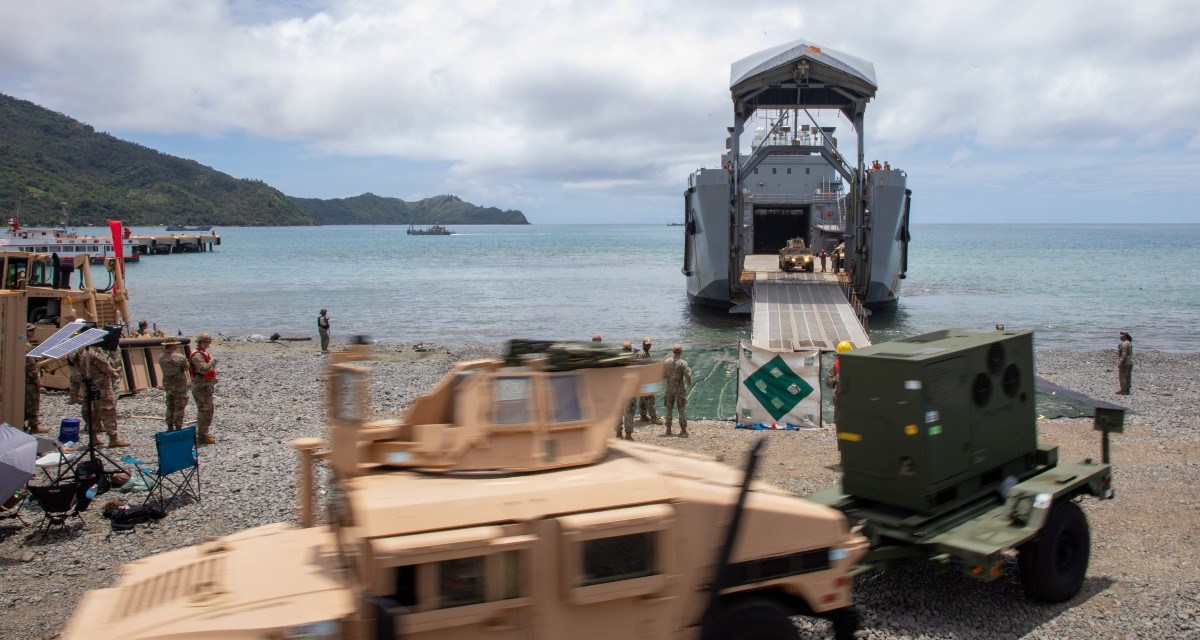
For years of expeditionary counterinsurgency operations in Iraq and Afghanistan, US and coalition forces benefited from a logistics enterprise that was so effective that, for many, its operations seemed essentially automatic, something that happened in the background. Equipment, ammunition, fuel, spare parts, food and water—all was available when needed, if not at the most miniscule outposts, at least at forward operating bases spread across the battlespace.
That was possible because logistics activities—extending from installations at home, through sea and air lines, and all the way to small units in contact—were undertaken largely without disruption by enemy forces. A major war with a peer adversary, however, will not enjoy the same level of rear-area sanctuary or logistics line security. Across the strategic, operational, and tactical levels of war, all logistics operations will be contested. To discuss the challenges that will present and explore what armed services like the US Army can do to improve the resilience and reliability of their logistics systems, John Amble is joined on this episode by Ron Ti. A retired Australian Army officer with extensive practical experience, he earned a PhD researching combat logistics on the modern battlefield and is the author of a forthcoming book on the subject.
The MWI Podcast is produced through an endowment generously funded by the West Point Class of 1974. You can listen to this episode of the podcast below, and if you aren’t already subscribed, be sure to find it on Apple Podcasts, Stitcher, or your favorite podcast app so you don’t miss an episode. While you’re there, please take just a moment to leave the podcast a rating or give it a review!
Image credit: Staff Sgt. Tristan Moore, US Army