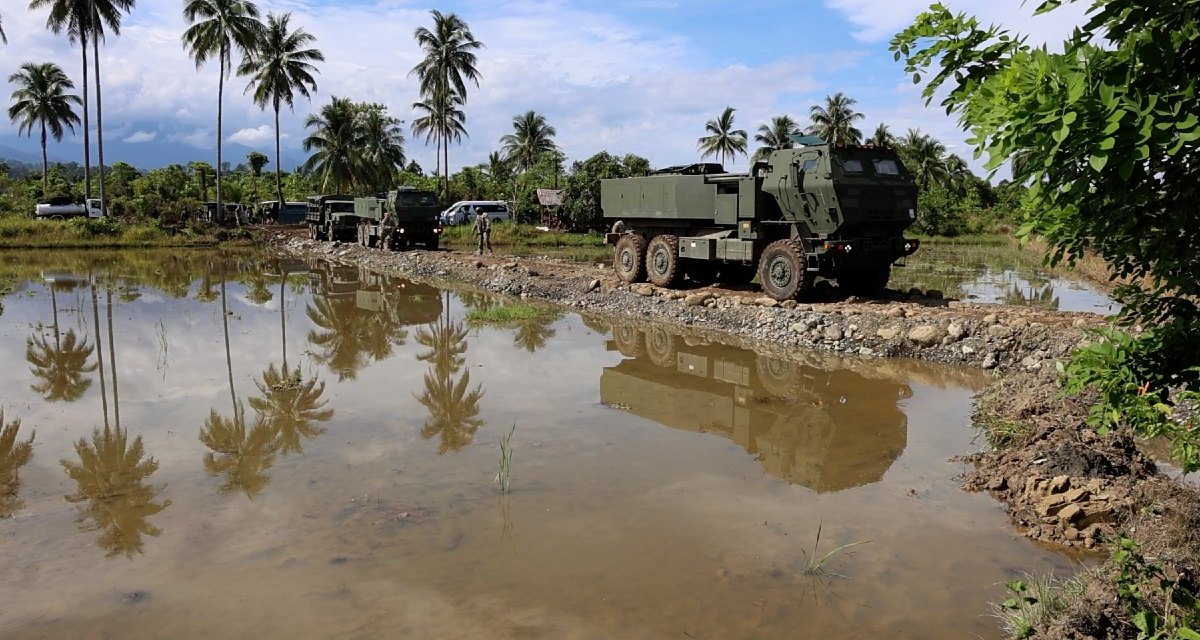
Over the past decade, the Army has taken the multidomain task force from whiteboard concept to operational centerpiece, emerging as one of the clearest expressions of how the Army intends to fight and win against near-peer adversaries. Designed to operate within an adversary’s weapon engagement zone, these organizations have become central to the Army’s continuous transformation, translating multidomain concepts into reality while simultaneously imposing real costs on adversaries. In doing so, they have reshaped how land forces contribute to deterrence, signaling that dominance in future conflict will not be earned by mass alone, but by integration, persistence, and speed across domains.
Purpose-built to challenge antiaccess / area-denial networks, multidomain task forces (MDTFs) matured through years of pilot experimentation before their formal activation and have since proved their ability to deploy forward capabilities that complicate adversary decision-making and disrupt the coherence of near-peer operational designs. While the brigade combat teams that drove the Army’s transformation to a modular force twenty years ago possessed four thousand soldiers or more, MDTFs are roughly half that size. As a cornerstone of then Chief of Staff of the Army General James McConville’s “hard to kill” vision, these formations embody a shift toward smaller, offensive-based, more survivable forces that operate within the joint force’s contact layer, where competition activities are most consequential and escalation risks are highest.
Yet the very attributes that have made MDTFs effective also expose them to distinct vulnerabilities. If unaddressed, these weaknesses threaten to erode the momentum the Army has built by standing up these organizations—three were activated between 2017 and 2022, with two more planned—and undermine their deterrent value at the precise moment when it matters most.
What follows is a candid examination of how MDTFs can be defeated, drawing on insights from soldiers who have served inside these formations. Understanding how to kill an MDTF is not an argument against the concept. Rather, it is vital for ensuring the Army remains decisive in an adaptive, protracted war, where exploiting MDTF vulnerabilities would degrade not just the formation, but the Army’s ability to counter the very adversaries these formations were designed to defeat.
This examination is not an exercise in theory but an urgent warning. The MDTFs initially served as the Army’s “organizational centerpiece” in its broader transformation to adopt new concepts and units and to address threats across domains. While the MDTFs were designed to counter external adversaries, their greatest challenges have been internal. By design, the MDTF concept deliberately sidestepped traditional processes, which, while accelerating innovation, also generated powerful antibodies within the institution. In a culture that valued the established procedures that allowed the Army to prevail in the Cold War and Desert Storm, the MDTFs were not seen as a model for future change but as an aberration against process.
This internal cultural resistance is arguably more dangerous to the Army’s future than any near-peer competitor. As the Army now seeks to scale the lessons of the MDTF across the force, these same currents of resistance see an opportunity to reassert the status quo ante. The hurdles the first MDTFs overcame are the same ones that now threaten to stifle the Army’s broader transformation, making this a critical moment to understand and confront the institutional forces that would rather kill innovation than break with tradition.
1. Bury it Under Bureaucracy
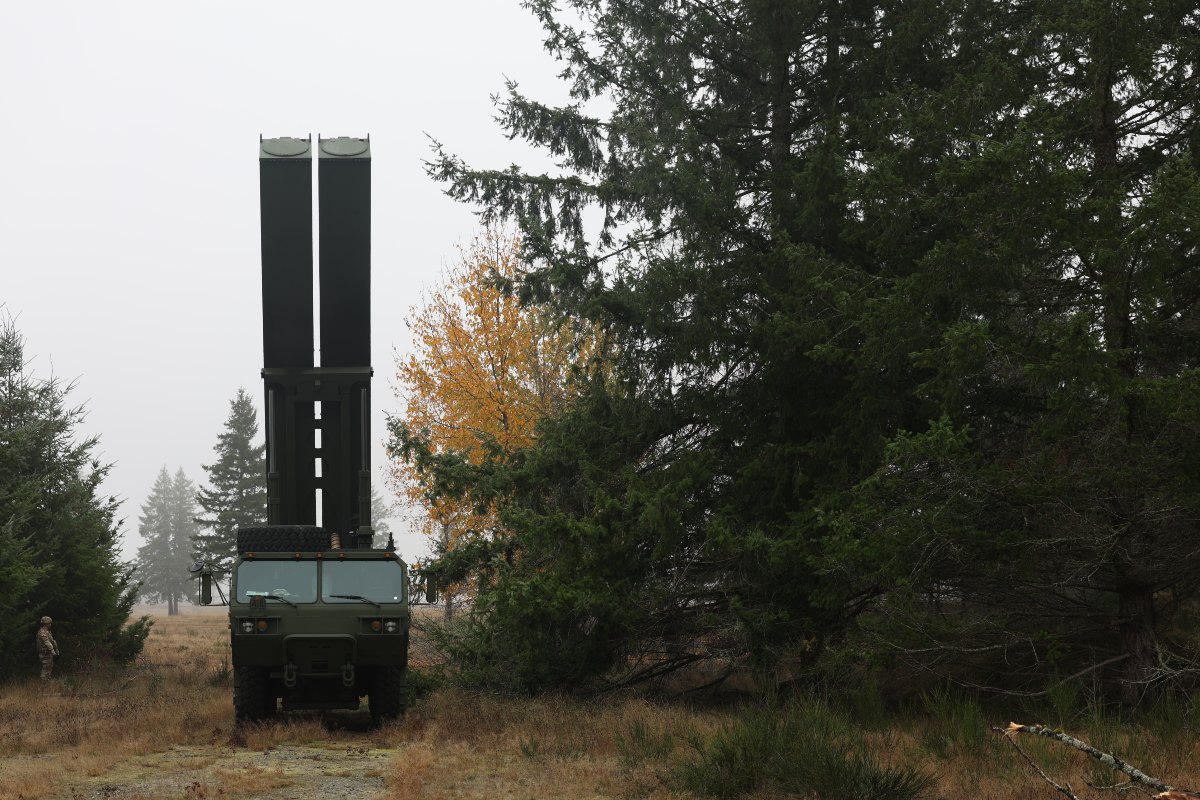
While MDTFs are optimized to counter near-peer adversaries while complementing sister service concepts, an equally consequential competitor has loomed throughout the time they have been stood up: bureaucracy. The most effective way to neutralize the MDTFs is not to target its sensors, shooters, or networks, but to overwhelm it with process. The central challenge to an MDTF ahead of a conflict—and the one that would prove especially dangerous during one—is the institutional tendency to pile on structure and staff, stifling the very agility that makes it effective. This underscores a critical lesson for the Army’s broader transformation: Higher headquarters must be rightsized to enable, not encumber, innovation.
Conceived as an experimental formation in the Army’s transition to multidomain operations as its operational concept, the MDTF was nonetheless built with the explicit intent to scale. This model was intentionally chosen because the MDTF was created before multidomain operations doctrine even debuted, serving as a minimum viable product to field-test concepts and inform doctrine, rather than simply execute it. To achieve this, MDTFs were built with small, lean staffs to foster a culture of rapid experimentation. This structure allowed them to fail fast—to quickly test new concepts and technologies, proving what works before committing to a larger investment. The council of colonels so common in traditional Army decision-making processes is not what has made the MDTFs effective. Instead, its success and potential for scalability have been driven by streamlined authorities and focused priorities, proving the concept’s value and delivering relevant capabilities directly to combatant commanders.
This inherent dynamism is fundamentally at odds with the friction imposed by well-intentioned, but cumbersome, bureaucratic processes. The most effective way to neutralize the initiatives of the Army’s MDTFs is not through opposition or budgetary cuts, but by quietly absorbing it into the administrative fold. This bureaucratic absorption does not produce visible failure. On the contrary, it often appears as institutional success: compliance with doctrine, alignment with existing force structures, and adherence to established processes. However, this administrative coherence masks a deeper operational failure, as programs optimized for peacetime processes meet the harsh demands of real-world conflict and institutional incentives discourage timely pivots to more relevant solutions.
The result is strategic atrophy, which becomes acutely dangerous in conflict. An MDTF does not need to organically possess authorities necessary to deliver effects at speed—but it must have streamlined access to them. If it is instead buried under multiple echelons of command, far from the theater-level decision-makers it is meant to support, its decision-making cycles will inevitably slow, its innovative capacity will diminish, and its speed of delivering effects will be made inconsequential. In this way, bureaucracy functions as a precision weapon against innovation; it does not attack the MDTF directly but renders it irrelevant by removing the freedom to experiment, integrate, learn, and deliver effects at the pace modern conflict demands.
This same challenge will undoubtedly complicate the Army’s wider transformation. As the service integrates new formations like multidomain commands and disruptive technologies such as drones, these efforts will face the same institutional inertia. If large headquarters staffs are allowed to impose rigid, process-heavy oversight, they will stifle the very innovation these new concepts are meant to foster, proving that an organization’s greatest obstacle can often be itself.

2. Standardize it to Death
The MDTF was designed to break the Army’s traditional force generation model. Historically, the service manned, trained, and equipped organizations in their final form before providing them to combatant commanders. As the Army’s multidomain transformation white paper states, “MDTFs break this mold.” They are not static formations, but dynamic, adaptable organizations built, trained, and exercised within the context of a combatant commander’s specific requirements. Forcing them to conform to legacy force design models would neutralize their very purpose.
Resegmenting an MDTF’s functions back into stovepiped, single-capability organizations would also erode their utility to the joint force. When the MDTF is forced through established approval chains, acquisition timelines, and validation mechanisms designed for traditional formations, its ability to innovate is stifled—experimentation gives way to staffing and adaptation yields to synchronization meetings. The task force becomes less a laboratory to drive innovation against novel threats and more a coordination headquarters for legacy capabilities.
This is because the MDTF was designed as a layered, agile effect formation. Its early successes in joint exercises and live rehearsals in theater were not the product of any single capability, but of its ability to integrate fires, intelligence, cyber, space, and air defense effects at speed. It possesses organic sensors and intelligence systems to shorten its own kill webs; protection capabilities so it does not have to compete for a spot on the joint force defended asset list; and organic information, cyber, and space assets to enhance the lethality of its long-range fires. This model recognizes that the current era is not about delivering capabilities in a linear fashion, but about transforming the entire acquisition ecosystem to enable rapid, integrated solutions. Separating these functions and forcing the MDTF to rely on external support transforms it from a combat enabler into a joint burden.
Even if the Army were to move away from the MDTF model, the lessons learned from these cross-functional formations must be preserved and expanded upon. The Army’s new transformation in contact initiative, which experiments with new organizational designs like restructured divisions, mobile brigade combat teams, and multidomain long range strike battalions, is already building on the MDTFs’ foundation by creating more composite, multicapability formations. These new units recognize a fundamental truth that the MDTFs have already proven: In an era where technology is moving too fast to solve every problem before fielding, the ability to rapidly integrate, experiment, and adapt is the most critical capability of all.
The central lesson of the MDTFs’ structure is not about any specific piece of equipment, but about organizational design. Divesting of the MDTF without a clear plan to institutionalize its cross-functional, experimental model across the force would be a strategic error—a retreat from genuine innovation back to the comfort of the legacy structures the MDTF was created to overcome.
3. Preserve it for Crisis
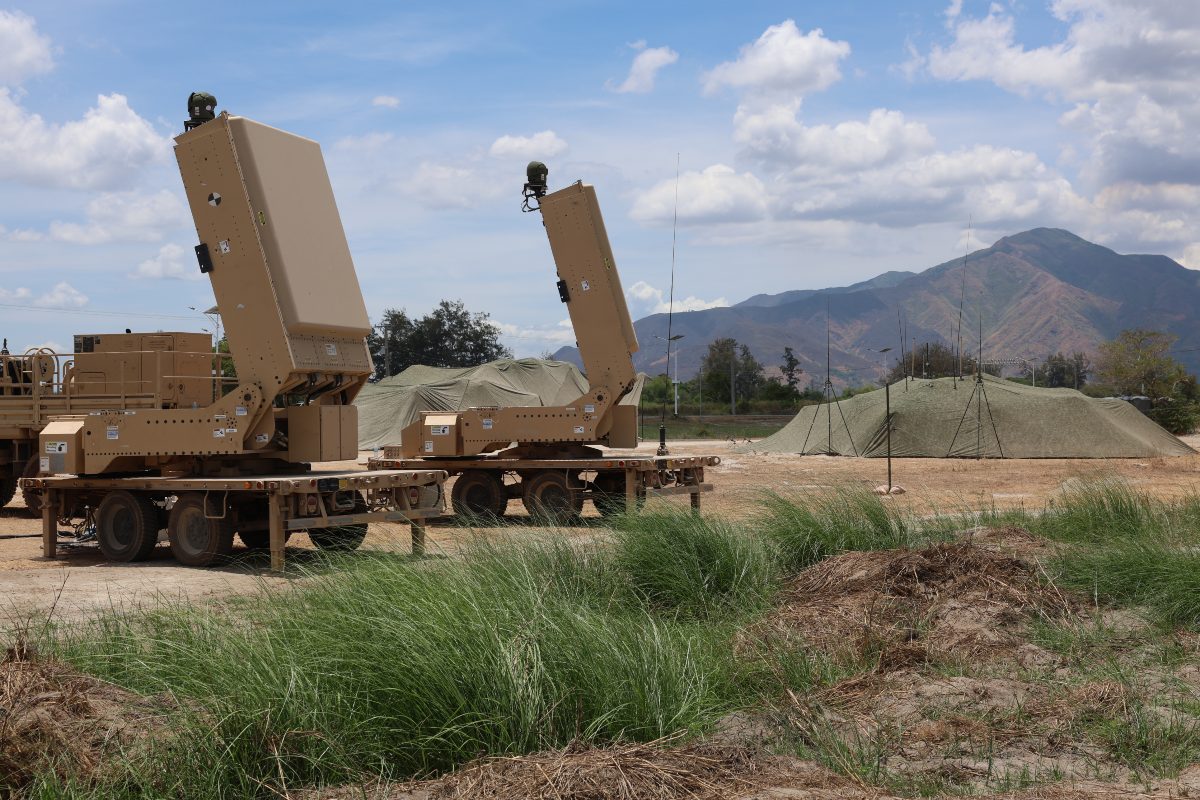
In the vast and contested battlespace of the Indo-Pacific, the US joint force’s greatest challenge is the tyranny of distance. To be credible, deterrence requires persistent, combat-ready forces capable of acting in the critical opening hours of conflict. MDTFs were purpose-built for this role.
MDTFs are not break-glass-in-case-of-war formations built for rapid response deployment into theater; placing them in a reserve status in the continental United States over three thousand miles away from the friction zone negates their primary function and undermines the denial defense in the First Island Chain outlined in the recent National Defense Strategy. The MDTFs essentially perform the two primary security tasks—screen and cover—but on a theater-level scale, operating across all domains.
Positioned forward within the cross-domain contact layer, an MDTF serves as a screening force, providing early warning to the main body without becoming decisively engaged. Alongside other forward-positioned US and host-nation land forces, an MDTF uses an integrated array of space, high-altitude, aerial, cyber, and terrestrial sensors to observe the operational environment and report on adversary activity.
Upon transition to conflict, the MDTF’s mission evolves to that of a covering force, which is designed to make initial contact with the enemy. It leverages its positions gained in competition to engage the adversary with layered, agile effects. Executed as part of a larger, sequenced plan, these actions delay and disrupt the enemy, buying the joint force the critical time and space needed to introduce air and naval forces under favorable conditions to prevent a fait accompli. In turn, this sets conditions for the introduction of additional decisive land force combat power.
Crucially, while most army units must be mobilized from their home bases in scheduled waves, an MDTF’s ability to perform this covering mission is entirely dependent on its forward positioning during competition. The intelligence networks, host-nation relationships, and logistical footprint that provide it the durable force disposition necessary for effective operations in a protracted fight cannot be surged from the continental United States in a crisis. Without being persistently in theater, an MDTF loses its ability to screen effectively and, consequently, its ability to cover for the joint force.
Because larger follow-on land forces will simply not arrive in time for crisis, the Army’s relevance to the National Defense Strategy’s priority of deterring and fighting in an Indo-Pacific contingency hinges entirely on providing forward-positioned units equipped with critical technologies. A forward-positioned MDTF is not merely a valuable asset; it is a prerequisite for a credible deterrence and defense strategy in the Indo-Pacific. Dismantling the MDTF model without immediately replacing it with a dedicated forward-positioned land force would equate to acceptance of strategic irrelevance for the Army. Without a dedicated force in place to influence a Taiwan contingency from the outset, the Army risks becoming a spectator in the Indo-Pacific’s most consequential fight.
4. Suppress its Voice
An MDTF that cannot dominate its own narrative at the speed of relevance is a force fighting with one hand tied behind its back. Perhaps the most insidious way to defeat an MDTF is to sever its connection to the global conversation. This is achieved through information calcification: a hardening of the bureaucratic arteries that slows the release of information to a crawl, rendering it irrelevant upon arrival and allowing our adversaries to define our actions before we can.
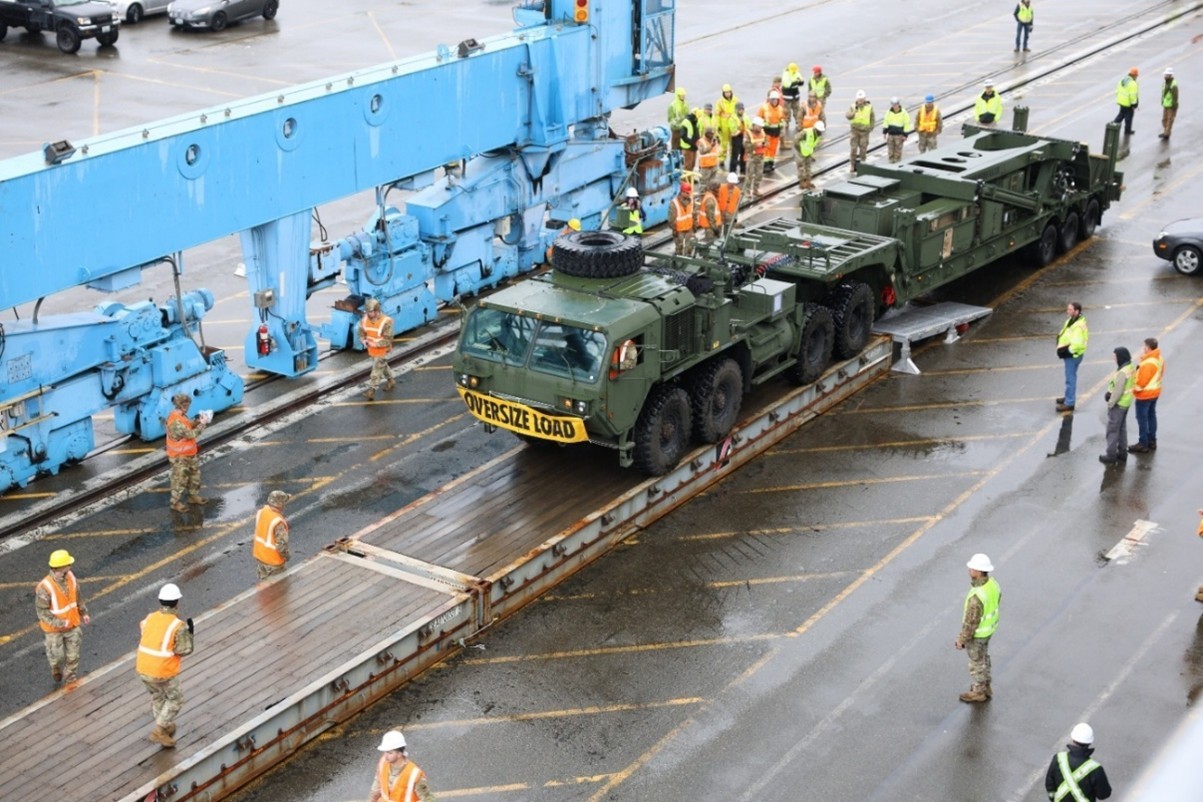
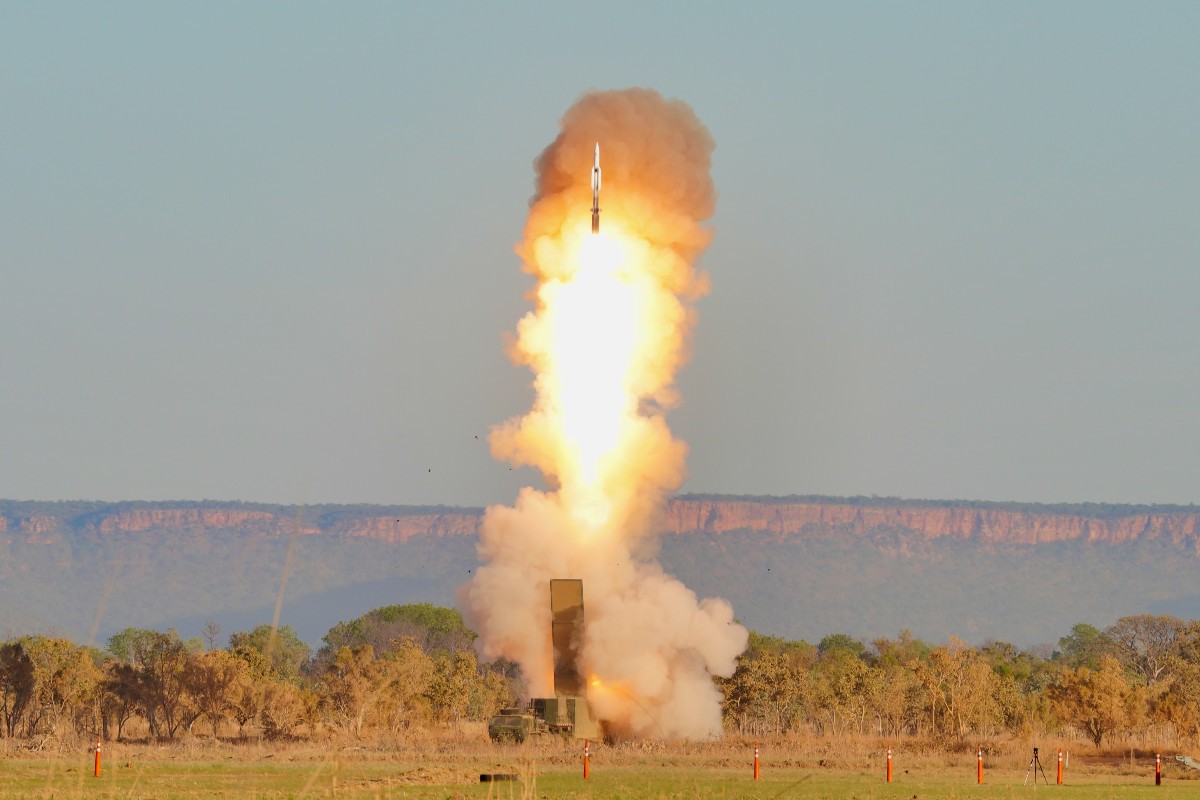
The strategic value of an unsuppressed external voice was demonstrated during rotational exercises in the Philippines in 2024. The historic first deployment of an Army long-range fires system prompted immediate and sharp denunciations from the Communist Chinese Party. This outcome was no accident; it was a deliberate signaling effort, made possible by integrating public affairs into the commander’s decision-making process from the start. The deployment was a powerful reminder that the narrative surrounding a capability can be as influential as a wartime demonstration of the capability itself.
The risk of this paralysis is not theoretical. It was highlighted by General Bryan Fenton who, prior to his retirement as commander of US Special Operations Command, warned that the United States suffers from an information operations “void,” where approval for a single message can take months. He further suggested authorities be delegated at lower levels to keep up with the speed of information before the narrative is gone.
Equally damaging, however, is suppressing the MDTF’s voice internally within the Army, which stifles the service’s own evolution. The Army designated the MDTF as its signature formation for its organizational change. This makes the lessons learned by the MDTF essential for the entire institution, especially in its continuous transformation efforts. Near-term transformation initiatives, however, must be about more than a fleeting moment of contact within a closing time window. MDTFs remain in persistent contact—with the operational environment, with partners, and with the adversary. Therefore, the lessons borne from this persistent, real-world contact should carry far greater weight than those learned in a closed laboratory or a US-based training environment.
The most critical of these lessons is the agile mindset that MDTFs have cultivated—an indicator of a cultural shift that prioritizes rapid, iterative problem-solving in the face of ambiguity over the status quo’s linear, risk-averse model of delivering a solution that is perfect but late. Combined with new AI and machine-to-machine interoperable technologies, MDTFs can apply an agile and agentic form of command and control to keep pace with the adversary. If these lessons from the forward edge are not conveyed to the broader force, transformation in contact becomes an empty slogan. Suppressing the MDTF’s voice, whether external or internal to the Army, cripples its dual purpose. Cutting it off from the global conversation neutralizes the deterrent effect of its combat-credible capabilities. Cutting it off from the rest of the Army renders it an isolated experiment rather than the driver of transformational change it was designed to be.
Crossing the Rubicon of Relevance: Opportunities to Succeed and Fail
The Army stands on the edge of a cataclysmic choice between two irreconcilable futures. Behind it lies the warm comfort of the status quo: an industrial-age machine that perfected processes, standardized solutions, and found success in the Cold War and Operation Desert Storm but that guarantees strategic irrelevance in a software-defined age. Before it lies the chaotic, ambiguous, and necessary crucible of continuous adaptation to stand ready for a protracted war across contested domains—a future that the MDTFs have offered a glimpse into.
Therefore, to dismantle the initiatives that have defined the MDTFs—whether by burying them in bureaucracy, forcing them into legacy models, preserving them for a crisis they cannot influence, or silencing the lessons they have provided—is to make a deliberate choice. It is a declaration that the hard-won lessons learned alongside allies and partners in the Indo-Pacific over nearly a decade were merely an interesting experiment, not an urgent mandate to enhance the Army’s combat relevance. It is to allow the institution to be lured back by the siren song of bureaucratic process, even as the drums of a future potential war grow louder.
Yet, there is an opportunity to seize this moment and institutionalize the transformation that began with the MDTF. The ongoing initiatives to develop a theater-level multidomain command along with the transformation of legacy Army formations represent a chance to both scale these concepts and forge the lessons learned from forward experimentation into the Army’s evolving structure and culture. This creates a clear decision point: Was the MDTF merely a successful prototype to be discarded, or is it a blueprint for the Army’s future force design? This is not a choice about force structure, it is a choice between institutional comfort and operational necessity—a decision that will determine whether the Army accepts leaving the joint force and multinational partners with a critical capability gap at its greatest moment of need.
Lieutenant Colonel Ben Blane is a US Army field artillery officer with multiple operational deployments and experience throughout the Indo-Pacific. He holds an undergraduate degree from the United States Military Academy and graduate degrees from Columbia University and John Jay College. He is a research fellow for the Modern War Institute.
Captain Ryan DeBooy is the public affairs officer for the 1st Multi-Domain Task Force at Joint Base Lewis-McChord, Washington. He holds undergraduate and graduate degrees from Middle Tennessee State University and is a recipient of an Emmy Award from the Michigan chapter of the National Academy of Television Arts & Sciences.
Chief Warrant Officer Four Dale Hunter is an intelligence officer and formerly served as the senior intelligence warrant officer advisor in the 1st Multi-Domain Task Force. He currently serves as a readiness officer in the Department of the Army G-2. He holds an undergraduate degree from Excelsior College in Korean.
The views expressed are those of the authors and do not reflect the official position of the United States Military Academy, Department of the Army, or Department of Defense.
Image credit: Staff Sgt. Brandon Rickert, US Army