In urban warfare, the enemy, terrain, population, and tactical problem can change faster than a military’s formal lessons-learned process. Armies cannot wait until a campaign ends to study what happened. They must identify what matters, verify it, and move that knowledge across the force while the fighting continues.
In this episode of the Urban Warfare Project Podcast, John Spencer is joined by Brigadier General Guy Hazoot, who served as chief learning officer for the Israel Defense Forces Ground Forces during the war against Hamas after October 7. Two days after the attack, Hazoot was asked to establish and lead an operational lessons-learned center. The organization gathered information from units preparing to enter Gaza, formations still in combat, and commanders immediately after they left the battlefield, turning their experiences into lessons that other units could use before facing the same problems.
The conversation in this episode examines how the Israel Defense Forces built and expanded this learning system, distributed urgent lessons to forces inside Gaza, and adapted tactics for tunnels, booby-trapped buildings, combined arms operations, and Hamas’s shift to guerrilla warfare. Spencer and Hazoot also discuss the importance of trust, the challenge of transferring lessons between Gaza and Lebanon, and what the US Army would need to build a similar capability. Hazoot is the author of the new book New Guard, No Guard: How Israel Built the World’s Most Advanced Military by Dismantling Its Own Ground Forces.
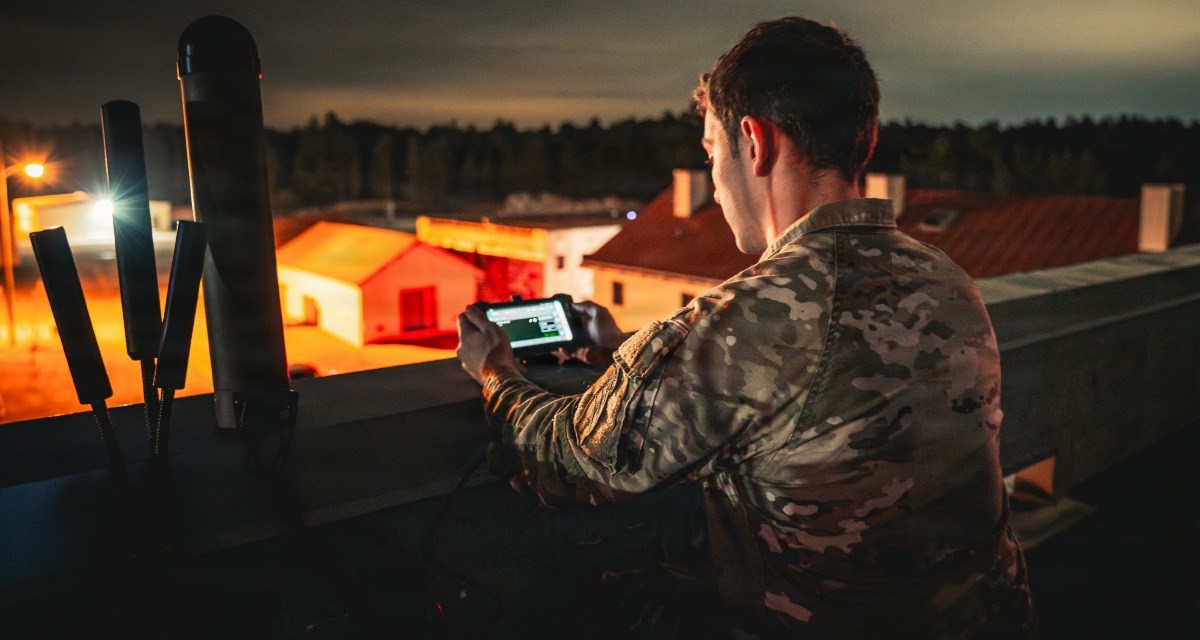
Image credit: Pfc. Edgar Martinez, US Army