
In this episode of the Urban Warfare Project Podcast, John Spencer is joined by Dr. Anthony Tingle, an independent researcher who has made nine trips to Ukraine since the start of the war, most recently returning from Kherson and Mykolaiv. Drawing on firsthand observations from numerous urban battles, including Sumy and Kherson, the conversation explores how urban warfare is being reshaped by the persistent presence of drones, especially the widespread use of Shahed one-way attack systems. Tingle describes a battlespace where drone attacks are so frequent they have become part of daily life, and where layered, improvised air defenses, from machine-guns to mobile teams and emerging interceptor drones, reflect a rapid cycle of adaptation. The discussion highlights how Ukraine has built a distributed, low-cost air defense network using acoustic sensors, small radars, and shared intelligence to counter an evolving aerial threat.
The episode also examines what this means for soldiers and civilians living in contested urban terrain. In Kherson, where Russian forces operate just across the river, civilians endure daily bombardment and first-person-view drone attacks, forcing life underground, including makeshift playgrounds in basements for children growing up under constant threat. At the same time, Ukrainian forces are innovating in real time, building drone tunnels to protect movement, adapting dispersion tactics, and integrating drones into every level of combat. The conversation underscores a defining feature of this war—the fusion of high-tech and low-tech warfare that is reshaping how cities are fought over and survived.
You can listen to the episode below or find it on Apple Podcasts, Stitcher, Spotify, TuneIn, or your favorite podcast app. Be sure to subscribe, and if you’re enjoying the Urban Warfare Project Podcast, please take a minute and leave the podcast a review or give it a rating!
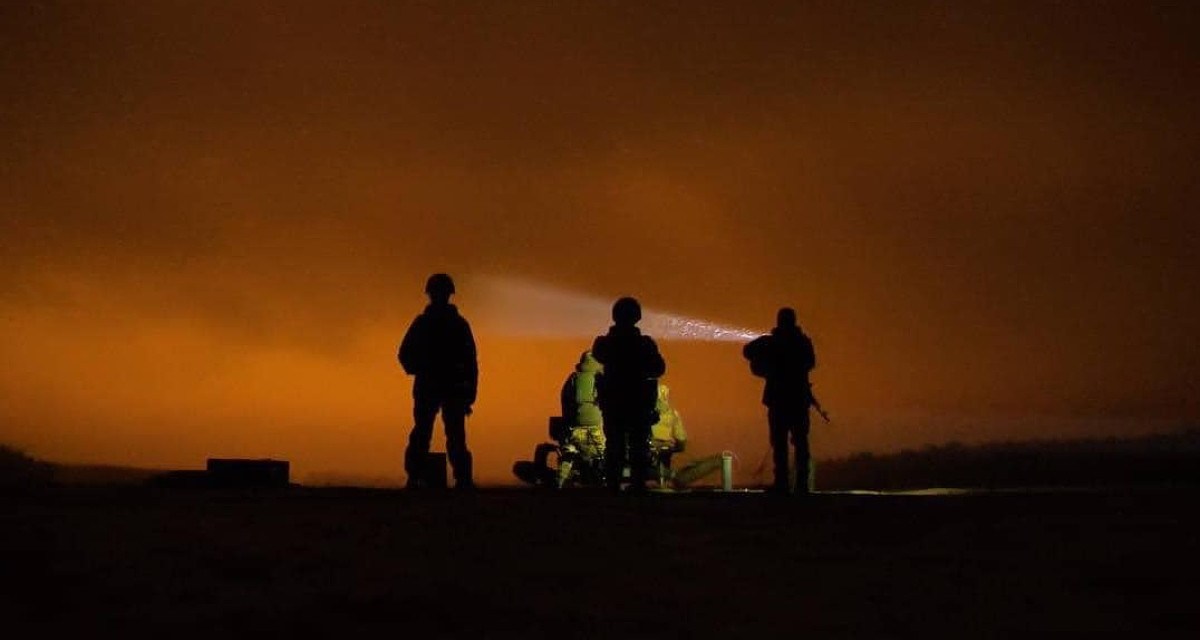
Image: Mobile groups of National Guard of Ukraine hunt for Russian drones. (credit: National Guard of Ukraine)
_02.jpg)