So You Think the Army Can Avoid Fighting in Megacities
“The Army will never need to fight in a megacity.” Over the past few months, MWI has published...
Read More
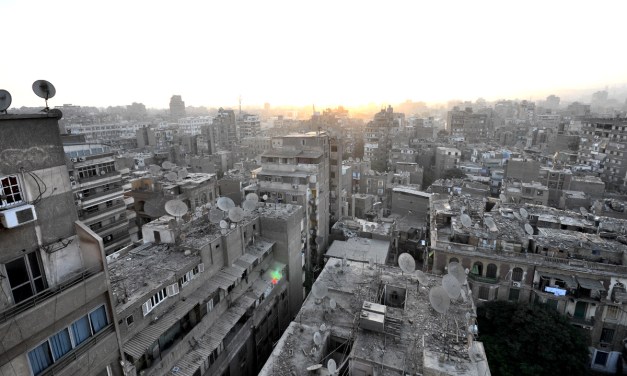
“The Army will never need to fight in a megacity.” Over the past few months, MWI has published...
Read MoreHow do we better train our soldiers for modern conflict? From realism in our computer simulations to ongoing resource constraints, training our junior officers is critical to our future military success in an increasingly...
Read More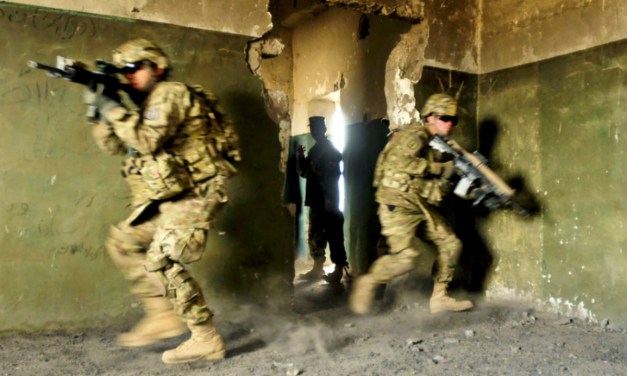
A few weeks ago, I published the article “It’s Time to Create a Megacities Combat Unit.” This...
Read More
Global population growth and migration trends make it increasingly likely that the US Army will find itself fighting in megacities in the future. In order to be prepared for the challenges this will pose, the Army should create a unit manned, equipped, and trained entirely for this purpose.
Read MoreIn July, 2006, Israeli Defense Forces (IDF) invaded Lebanon in response to provocations from Hezbollah forces near the Lebanese-Israeli border. The IDF mission was to stop the firing of missiles into Israel, to obtain the release of several captured Israeli soldiers, and to force the disarming of Hezbollah militia in that region. Over-confident Israeli forces, which had been focused on counter-insurgent operations for several years, were shocked as fierce resistance brought their elite attacking formations to an abrupt halt at places like Maroun al-Ras, Bint Jbiel, and Wadi Saluki. Although there has been much argument as to whether the IDF were “defeated,” by Hezbollah “militia,” there is no doubt that the IDF failed to achieve its nation’s political objectives during the campaign. The Hezbollah militias faced by the IDF in 2006 (and later in 2008) were a formidable foe, and with their successful performance against the IDF, they represent a model for others to emulate. Indeed, a Hezbollah-like enemy comprises the most dangerous form of the “hybrid” enemy force that current US doctrine sees as its most likely future adversary.
Read More