
Welcome back to Five Questions for a General, a production of the Modern War Institute at West Point. This series features specially selected cadet hosts who are given an incredible professional development opportunity—to sit down with senior military officers and ask carefully crafted questions about everything from leadership to their unique experiences while serving, to their expectations about the future of war.
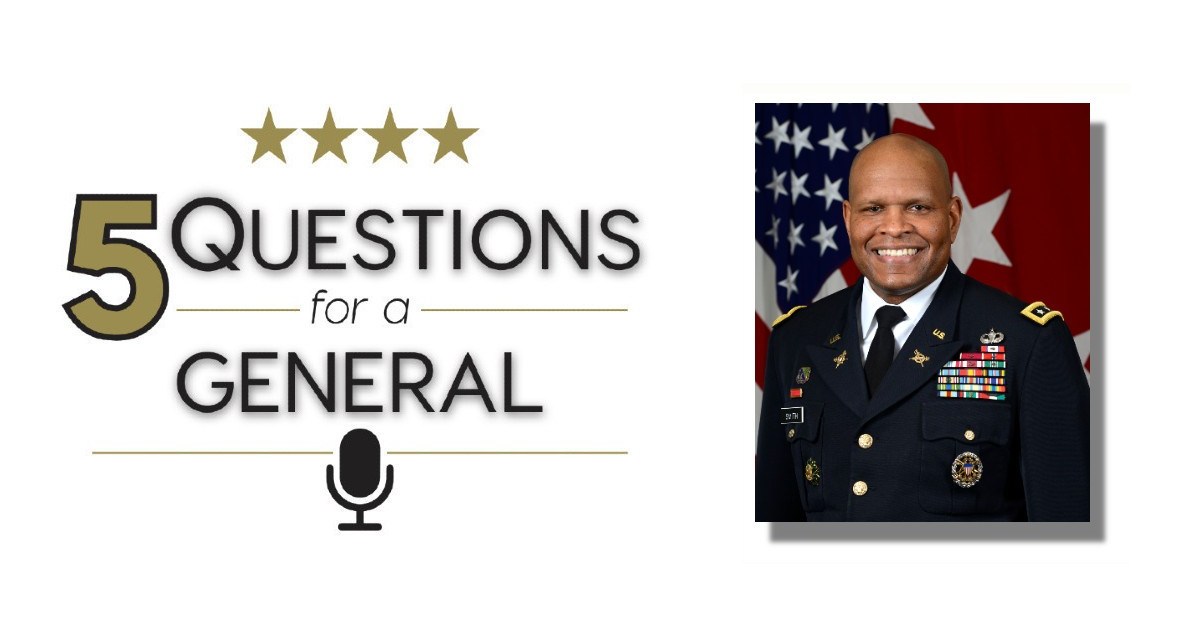
In this episode, hosted by Cadet Orion Van Buskirk, retired Lt. Gen. Leslie Smith traces his path into the US Army to a deep family legacy of service and an early immersion in military life through ROTC and the Georgia National Guard. Commissioned as a college sophomore through the Army’s Simultaneous Membership Program, he rose from field artillery officer to become the sixty-sixth inspector general of the Army. Drawing on assignments from platoon leader to commanding general, Smith emphasizes that leadership presence is paramount, especially in moments of crisis such as combat losses or soldier suicides. Leaders, he argues, must be physically and emotionally present at the point of friction, setting the standard through their example.
Reflecting on evolving threats, Smith highlights the resurgence of large-scale combat operations and the enduring danger of chemical, biological, radiological, and nuclear weapons, noting that while the Army spent two decades focused on counterinsurgency, it must now be prepared for peer conflict and unconventional threats from nation-states and extremist groups. He recounts the difficulty of sending soldiers into harm’s way, attending the funerals of fallen troops, and relieving senior leaders when standards were not upheld. In his transition to civilian life, Smith asserts that trust, vision, and disciplined planning translate directly to the corporate world, advising officers to plan to leave the Army with the same intentionality they used to enter it. His advice to younger leaders is simple but profound: Build relationships, meet someone new every day, take the mission but not yourself seriously, and ensure that your actions and words align, because soldiers will emulate what their leaders demonstrate.