In this episode with host Dr. Charlie Faint, retired Colonel Pat Howell reflects on a career that took him from the 82nd Airborne Division and conventional engineer units to the 75th Ranger Regiment, strategic planning in Afghanistan, Joint Special Operations Command, and ultimately leadership of the Modern War Institute at West Point. Pat describes how strong noncommissioned officers and demanding organizations shaped his approach to leadership, particularly the need to balance leading by personal example with stepping back to supervise the larger mission. He discusses his intellectual development at West Point, The Fletcher School of Law and Diplomacy, and the School of Advanced Military Studies before recounting his experience as a lead planner for the International Security Assistance Force under General Stanley McChrystal, where his work included the analysis behind the request for forty thousand additional coalition troops, engagement with Pakistan, Afghan police force requirements, and command relationships involving joint, combined, and interagency forces. Pat also reflects on his later service with Joint Special Operations Command and as director of MWI, emphasizing that a person’s importance to a mission is not determined by proximity to the objective. Throughout the conversation, he returns to several enduring lessons for military professionals: accomplish the mission while taking care of soldiers, remain intellectually curious, learn to evaluate facts and assumptions rigorously, and develop critical-thinking skills that remain useful regardless of how warfare changes.
You can hear the full episode below, and don’t forget to subscribe to The Spear on Apple Podcasts, Stitcher, Spotify, TuneIn, or your favorite podcast app.
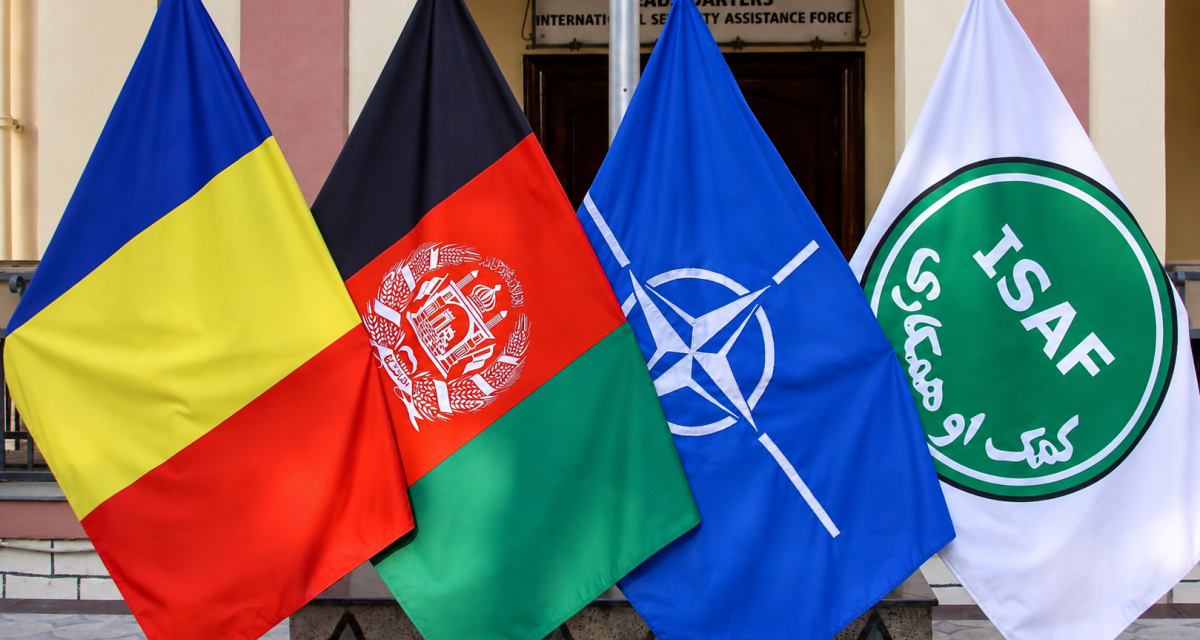
Image credit: Nicole White, ISAF Public Affairs