
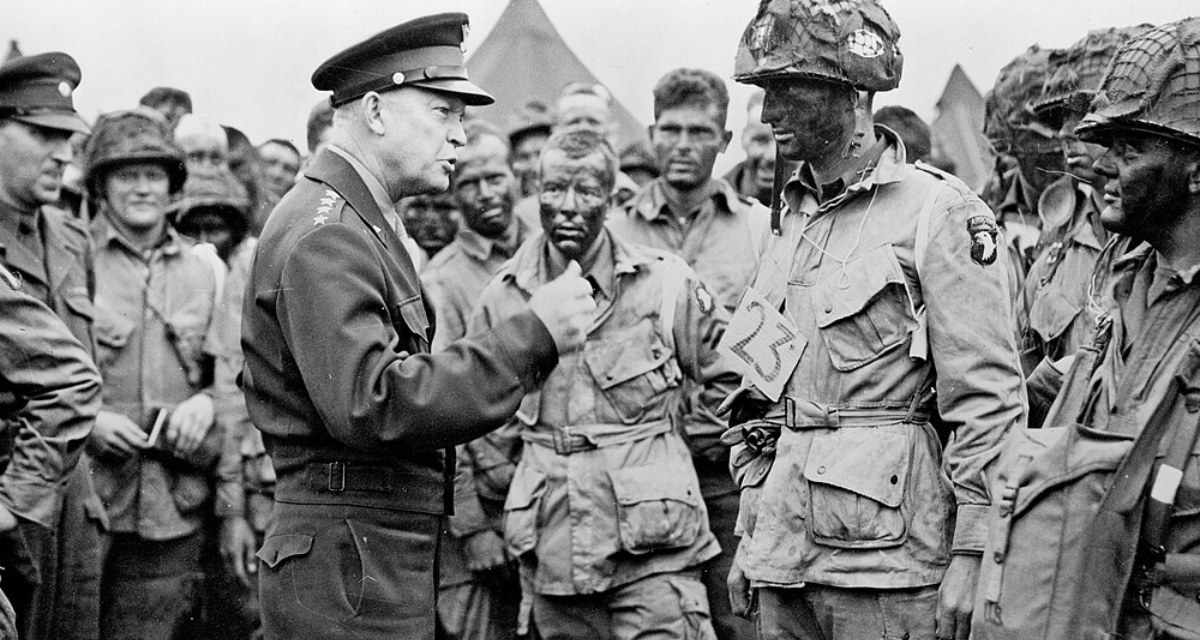
In late 1776, George Washington was outnumbered more four to one by British forces and on the run from enemy pursuit. Comparatively disadvantaged by virtually every measure, he not only kept his combat power intact but turned the tides of the war. When Ulysses S. Grant took overall command of Union forces in 1864, he faced the same challenges that each of his predecessors had failed to overcome. And yet he adopted a strategy that not only bested those challenges but shifted the war decisively in the Union’s favor. And when Dwight Eisenhower prepared for the Allied invasion of Europe, he knew there was a real chance the amphibious landing would fail—at great cost in the lives of young soldiers. But within a year, the Allies were in Berlin and the war in Europe won.
Each of these is a story of immensely successful supreme command. But what characteristics did each of these leaders rely on to achieve success? More importantly, what continuities bind them together and what is the eternal essence of effective strategic military leadership? To explore these questions, John Amble is joined on this episode of the MWI Podcast by retired Lieutenant Colonel Matt Cavanaugh, author of the book Who Wins Wars: Lessons in Leadership, Power, and Supreme Command from Washington, Grant, and Eisenhower. He shares his conclusions about what underpinned each of these leaders’ accomplishments and draws out lessons from the case studies that remain important today, and that will contribute to determining the outcomes of the United States’ future wars.
The MWI Podcast is produced through an endowment generously funded by the West Point Class of 1974. You can listen to this episode of the podcast below, and if you aren’t already subscribed, be sure to find it on Apple Podcasts, Stitcher, or your favorite podcast app so you don’t miss an episode. While you’re there, please take just a moment to leave the podcast a rating or give it a review!